SOBRIETY IS FOR LIFE, NOT JUST OCTOBER
October is here! Season of never picking the right outfit for the weather, pumpkin spiced everything and, more recently, Sober October. This is a challenge initially set up by Macmillan Cancer Support, to raise money for their excellent cause, however it is now taken up by people all over the world for a variety of reasons.
For me, Sober October isn’t much different from any other month because, about 18 months ago, I made the decision to be sober all year round (although, as with its less catchily-named sister Dry January, I do find I have a better choice of mocktails when I’m out and about). As a full-time sober person, I’ve got quite good at negotiating potential hurdles such as sober socialising, the best quit-lit for when you’re in need of inspiration and, crucially, knowing which alcohol-free beers actually taste like beer. When I was first starting out however, I remember how daunting the idea of sobriety was and, although I strongly believe that any amount of time off the sauce is better than none, a month doesn’t seem like much time to really get into the swing of things. For anyone who is participating this month, I realty would recommend continuing for at least a little bit longer if you feel able, in order to really experience the benefits of sobriety.
A disclaimer here: I am aware that there are many, many people who are able to easily drink in moderation. People who can go to the pub every once in a while, have a couple of drinks and go home to a cup of tea. I realise that for these people, the idea of not drinking for a month is probably not daunting at all. If this is you, then I wish you well and I’m aware that you probably don’t need my advice. However, I also know there are many, many people who (like myself) do not have a reliable off-button when it comes to booze, who (also me) use it to help overcome anxiety in social situations, or (again, me) have fallen into the habit of using wine to relax after a stressful day at work. For these people, I hope I can help you enjoy your break from alcohol and maybe even extend it past the traditional one month marker.
The first piece of advice I would give, and the most important to me, is to reframe your wording, and therefore your thinking, on what you’re doing. It’s easy to say you’re ‘giving up’ alcohol. This frames the whole endeavour in a negative light, as if you’re missing out. In reality, when we stop drinking, we gain far more than we ‘give up’. We gain valuable hours on a Sunday morning, to drink coffee in bed, or go for a walk in the autumn sunshine, or spend time with our pets, without nursing a sore head from the night before. We gain extra money to save for something special, or spend on stinky cheese and new shoes, because even cheap alcohol is more expensive than soft drinks. We gain memories with our friends and family, rather than struggling to piece together what happened in the final hours of a party. We gain stronger relationships, with reasonable discussions instead of drunken arguments.
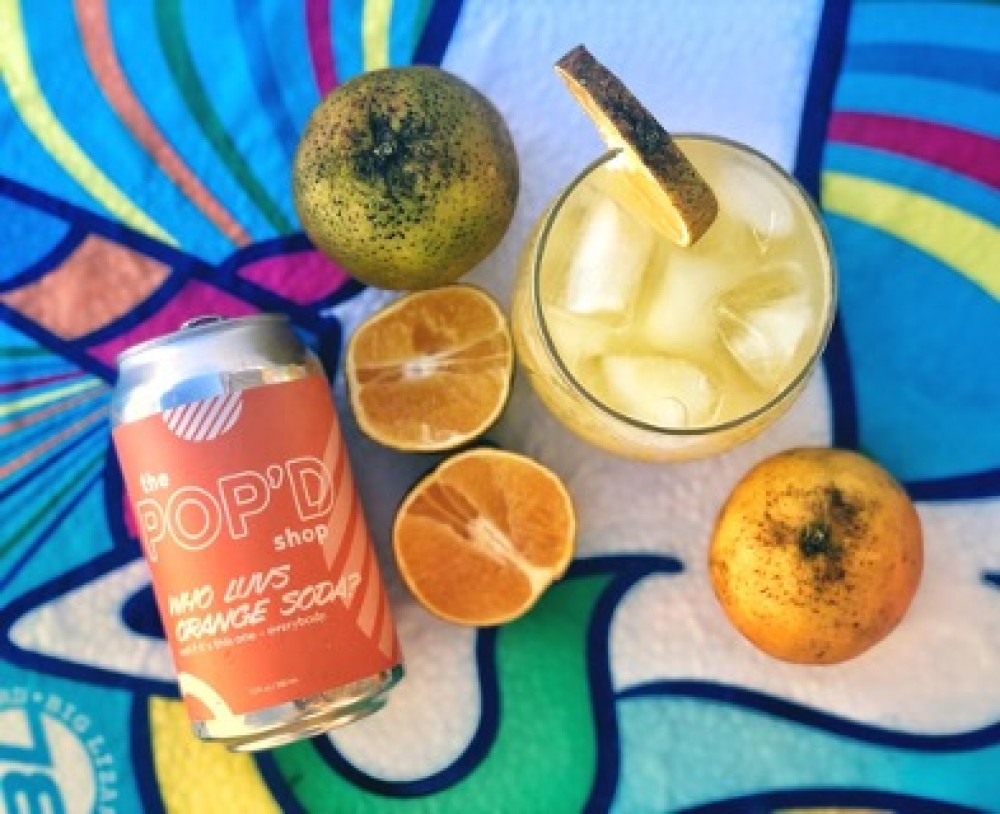
Secondly, have fun trying different alcohol-free (AF) alternatives! Although this can mean you save less money, when I was starting out in sobriety, stocking my fridge with different AF treats definitely helped me feel more ‘normal’. Be aware though, not all AF beverages are created equal! Obviously everyone is different and we all have our own preferences, but in my experience you’re better off buying from smaller brands or those which exclusively make AF alternatives, rather than opting for the AF version of a big-brand beer or spirit. Websites such as Club Soda and Sober Girl Society are great resources for discovering the best alcohol-free beverages available, as well as offering advice and support for cutting down or stopping drinking.
My final piece of advice is about socialising. If you’re used to socialising with alcohol, it can be incredibly stressful to suddenly be expected to go to a party, pub or nightclub sober. Even after a year and a half, I still sometimes find parties tricky. What I would say, when it comes to socialising, is to remember that it can be on your terms. If you’re in a social situation and you feel you want to leave early, that’s OK. For the most part, especially if everyone else is drinking, people will barely even notice and, if they do, they won’t be offended. It’s also OK to turn down an invitation and suggest an alternative that you feel more comfortable with. My current favourite is suggesting to my friends that we meet up at a local gelato place, rather than at the pub. This has gained me a (deserved) reputation for being obsessed with ice cream, but no one has ever complained and we still get to sit around a table and set the world to rights.
Of course, if you find you’re really struggling with your relationship with alcohol, help is available. As always, I would recommend your GP as a first port of call, as well as the resources on Alcohol Change UK. I know it can seem difficult before you start but, for some of us, choosing sobriety can be life-changing.
Useful Links
Club Soda: https://joinclubsoda.com/
Sober Girl Society: https://sobergirlsociety.com/
Alcohol Change UK: https://alcoholchange.org.uk/